First thing to understand: most missed putts inside three metres are aiming errors, not reading errors. SAM PuttLab data shows the average club golfer sets the face 1.5 to 3 degrees open or closed. On a three-metre putt, that alone is enough to miss.
So start with the line on your ball. Set it along the line you have chosen, then at address check the face is square to it. If it does not look right, the problem is usually eye position — your eyes belong directly over the ball or just inside it, never behind.
Read from the hole, not from the ball. The last two metres decide everything, because that is where the ball is slowest and most responsive to slope. Walk to the hole, look at the ground around it, and only then come back to your ball.
Find the low point of the green. Water runs downhill, greens are built to shed rain, and there is nearly always one obviously lowest corner. Every putt breaks towards it. That single rule solves eighty per cent of your reads in your first year.
Speed matters more than line. A putt struck twenty per cent firmer breaks noticeably less, so two players can read entirely different lines from the same spot and both be right. Decide the speed first — we suggest one that takes the ball 30 to 40 cm past the hole on a miss.
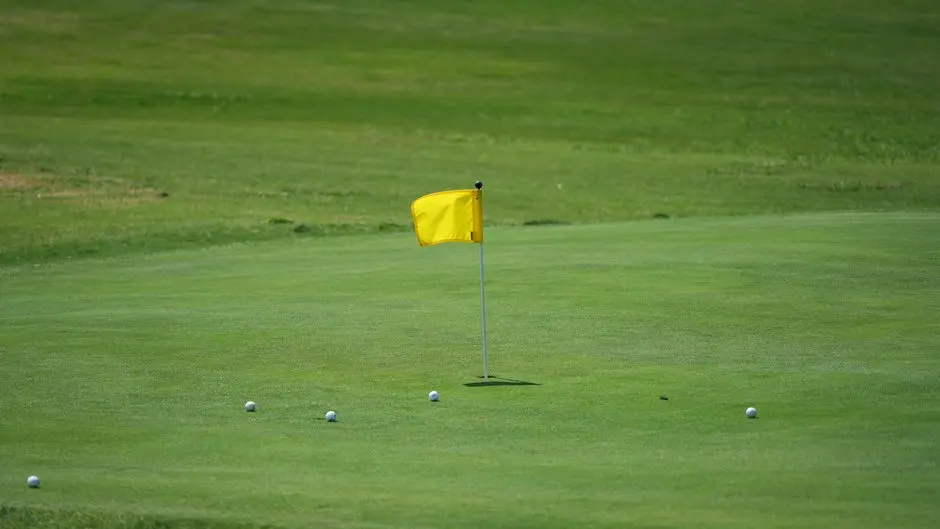
A drill that works: place three balls at 60, 90 and 120 cm around the hole and hole them all. Only move further out once you have made nine from nine. Short putts are what ruin cards, and nobody practises them because they are boring.
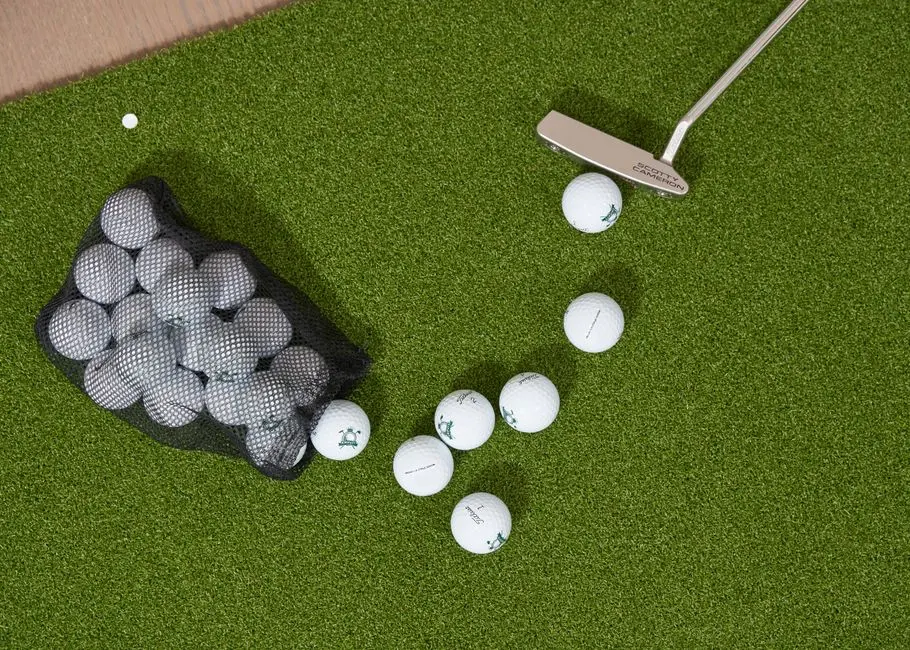
At home: a putting mat, fifteen minutes a day. The point is not to hole it but to repeat the same path. Three weeks of that shows up on PuttLab and usually on the card. It is the cheapest practice in golf and the only kind you can do in January in your slippers.