
The real enemy is not wear but moisture combined with dirt. Mud in the grooves holds water and rust appears on steel within a fortnight. Leaving a bag in a garage or a car boot over winter is the fastest route to rusty wedges there is.
The basic post-round routine takes five minutes. Wipe the heads with a damp cloth, run a soft brush through the grooves (not a wire one, which strips the chrome), and above all dry them properly. Wipe grips with a damp cloth and no detergent. Leave the bag open so the inside dries out.
Once a season, do it properly. Warm water with a drop of washing-up liquid, soak the heads for five minutes up to the hosel and no higher — water inside a hosel is trouble — clean the grooves and dry. Graphite shafts get a damp cloth only; long soaking softens the epoxy at the joint.
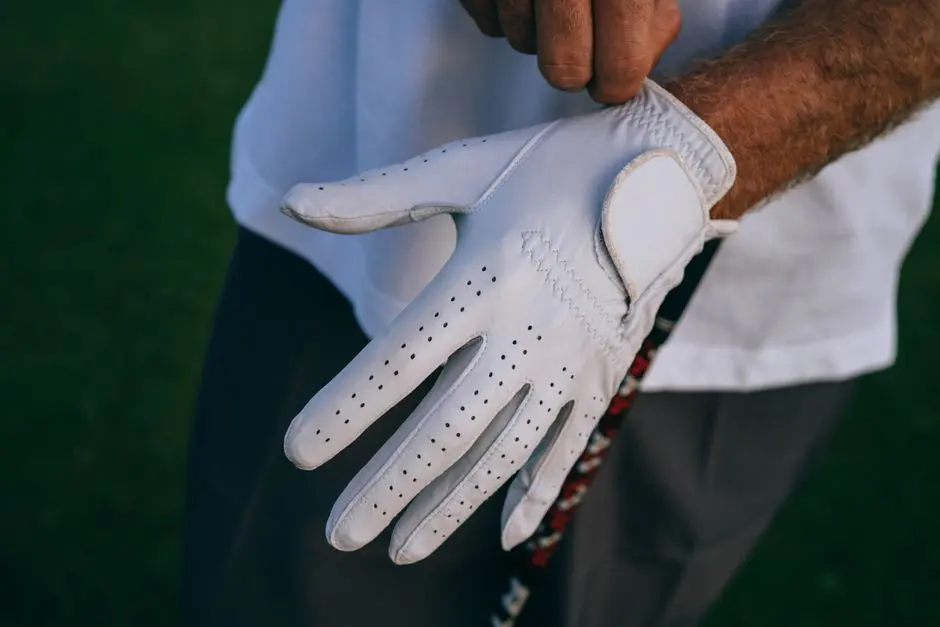
Grips are a consumable that most golfers ignore for far too long. A worn, shiny grip makes you squeeze, squeezing blocks the wrists, and measurement shows a loss of 2 to 3 mph of clubhead speed. Change them yearly, or every forty rounds. Washing with warm soapy water restores tack temporarily, but only temporarily.
Headcovers are not decoration. Scuffed edges on a driver crown cut its trade-in value by €40 to €80, which is more than the headcover costs. Irons rubbing together in the bag is purely cosmetic and has no effect on performance.
Winter storage: clubs belong in a dry room above five degrees — a flat or a heated cellar. Not a garage, and definitely not a car. Clean them before they go away and check for any visible corrosion. Graphite shafts dislike temperature cycling, so a space that swings hot and cold shortens their life.
What to leave to a workshop: loft and lie checks every two seasons (irons bend more than people imagine, especially off firm ground), regripping, and checking the hosel torque on an adjustable driver. We do all of it on Galvaniho — a full-set loft and lie check is €25, and free when you buy a new set.