
First myth to bury: a graphite shaft is not "soft". Graphite is made in X flex and played on tour by people swinging at 120 mph. The difference between the materials is not stiffness — it is weight, and how they handle vibration.
A typical steel iron shaft weighs 95 to 130 grams. Graphite runs from 55 to 95. Forty grams in one club sounds negligible, but across a full set it is nearly half a kilo, and it shows up as roughly 2 to 4 mph of clubhead speed. With a 7-iron that is six to ten metres.
Graphite damps vibration considerably better. If your elbows ache after a range session, or you have had wrist surgery, that is the whole argument. The reduction in transmitted vibration on off-centre strikes has been measured and it is roughly a factor of two in graphite’s favour.
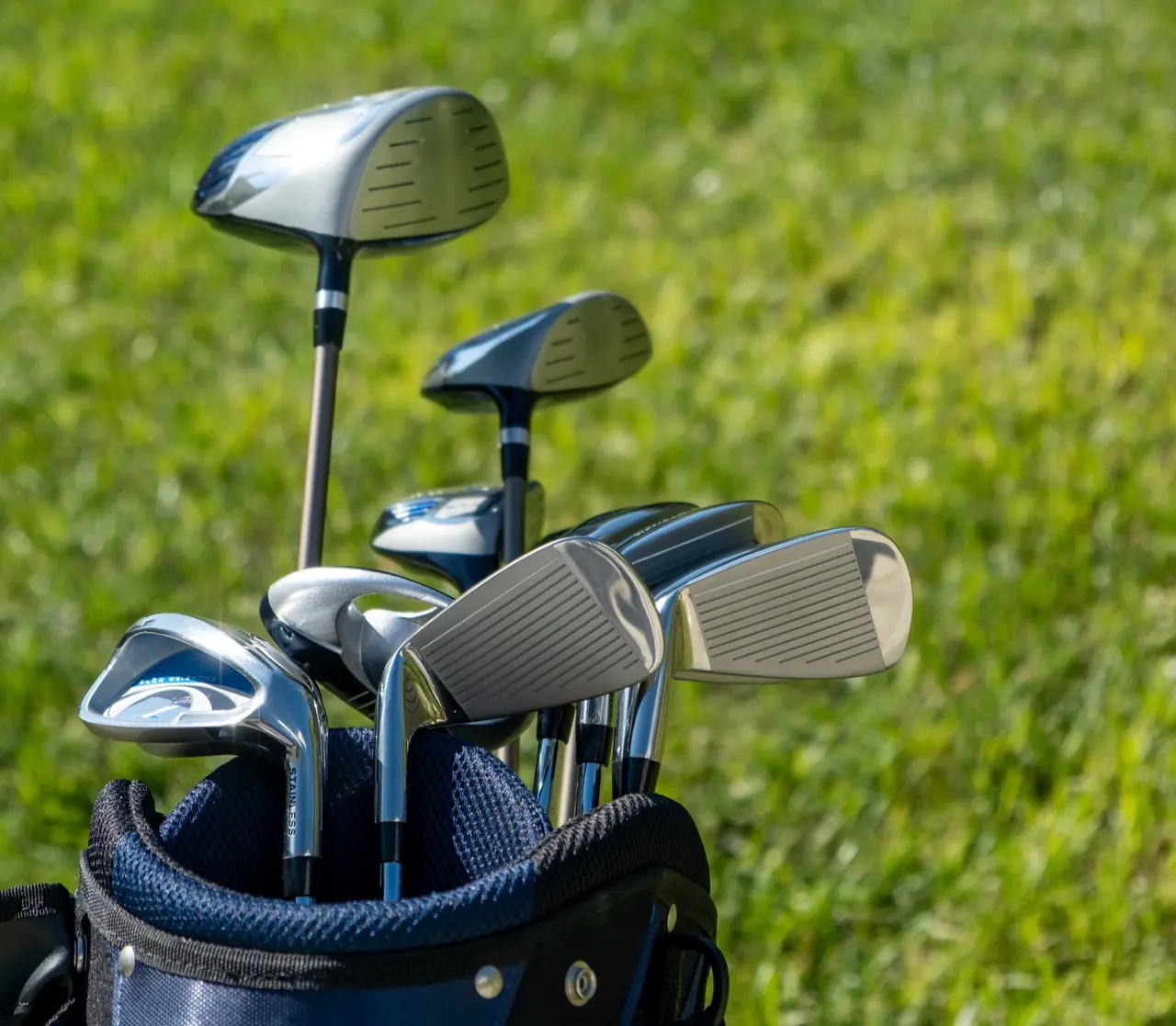
Where steel wins is consistency. Steel has tighter manufacturing tolerances and behaves identically across thirteen clubs. Graphite is built by layering, so tolerances are wider — with cheap graphite you can find measurable differences between two supposedly identical shafts. That is why most better players still use steel in irons.
A practical guide by 7-iron speed: under 75 mph, graphite without hesitation. From 75 to 85 mph, lightweight graphite or a light steel such as KBS Tour Lite. Above 85 mph, conventional steel is on the table if your tempo suits it. Above 95 mph, steel is probably the better choice.
Tempo is the variable everyone forgets. A player with an aggressive transition needs a stiffer shaft whatever the material, otherwise the head lags and the ball goes left. A smooth, long swing can afford a softer profile and will gain launch height for it.
We keep about forty test shafts in both materials on the Trackman at Galvaniho. The difference between two shafts in the same head is often eight to twelve metres with a 7-iron, plus half a standard deviation in dispersion. It is one of the few changes you can measure inside twenty minutes.